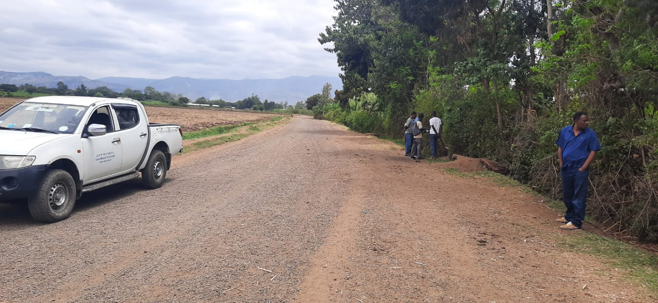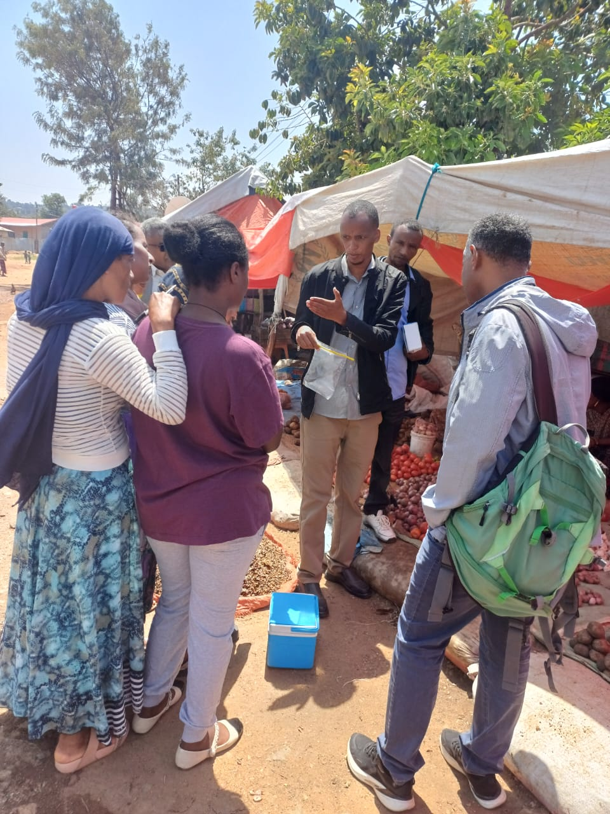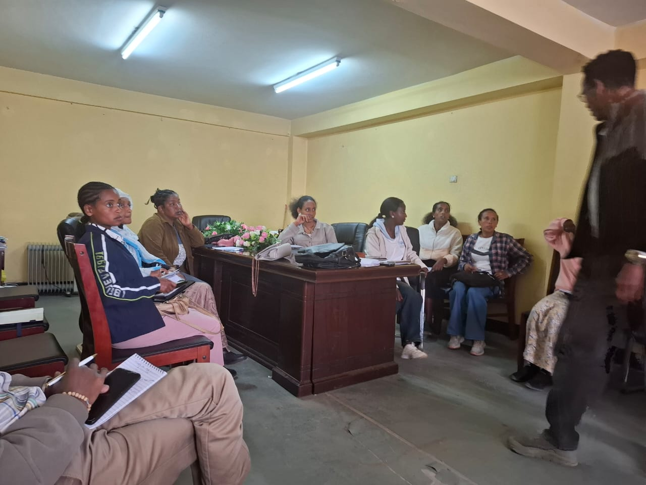
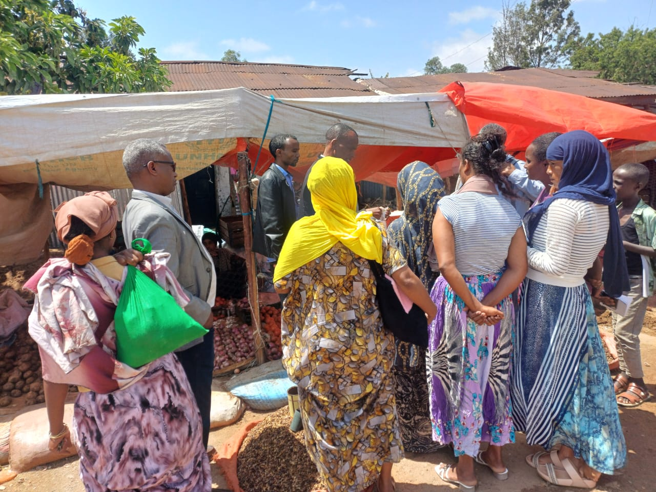

The PIONEER Project has launched pilot data collection at four HDSS sites: Hararghe, Butajira, Arba Minch, and North Shewa (Debre Berhan). The pilot aims to assess the feasibility, acceptability, and operational readiness of the foodborne disease surveillance system and to identify and address technical, logistical, and operational challenges before full-scale implementation. Findings from the pilot will inform refinements to the study tools, protocols, and overall implementation strategy.
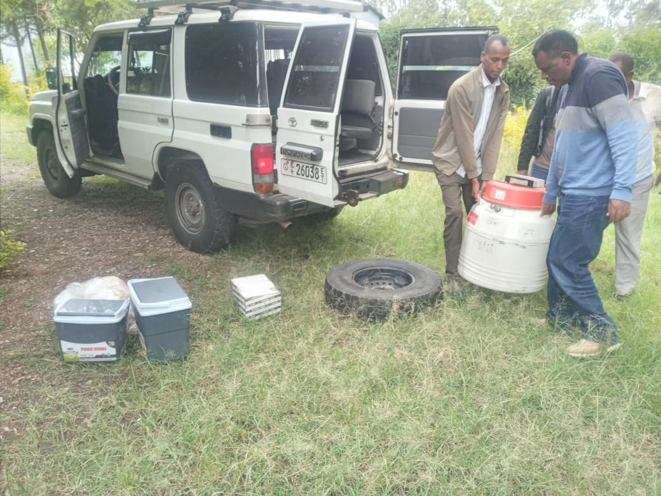
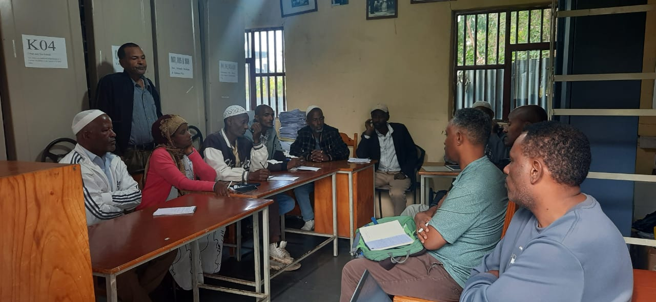
Dr. Desalegn Admassu, Principal Investigator of the PIONEER Project, together with Dr. Tesfaye Gobena, Co-Principal Investigator, and other research team members from Haramaya University and the Ethiopian Public Health Institute (EPHI), coordinated the preparation and provision of field and laboratory materials required for the pilot. Before data collection began, the research team conducted orientation and coordination meetings with data collectors, supervisors, and healthcare providers at each HDSS site to ensure that all teams were familiar with the study procedures and their respective responsibilities.
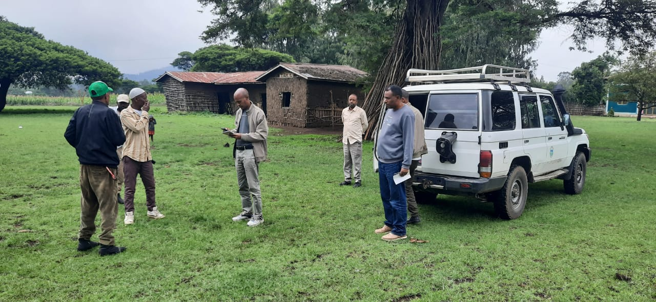
Data collection is now underway at both the community level and health facilities at each site. Throughout the pilot period, the research team is conducting field and facility visits to observe data and sample collection, identify technical or operational challenges, and ensure that procedures are implemented in accordance with the standard operating procedures (SOPs) and ethical requirements. The team is also assessing the cold-chain system, including sample transportation, storage temperatures, and compliance with biosafety requirements.
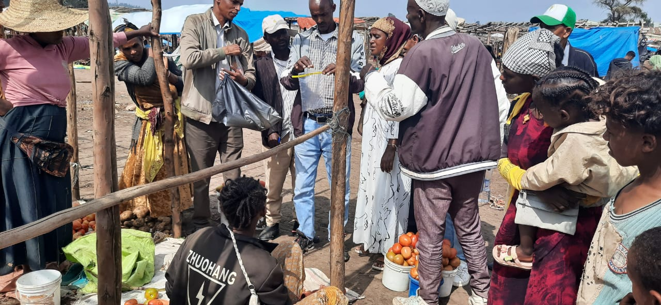
The project is collecting a range of data and specimens, including human stool, animal feces, raw and minimally cooked foods purchased from markets, duplicate-diet samples, hand-rinse samples, and water used to wash vegetables at markets. The pilot is providing an opportunity to assess the feasibility of collecting, labeling, handling, storing, and transporting these different sample types. In addition, data are being extracted from medical registries on patients who sought care for diarrhea.
The team is evaluating all key components of the sampling process, including sampling techniques, labeling, handling, storage, packaging, biosafety, sample integrity, and the time required for specimen collection. For specimens that will be transported to EPHI, the pilot will also assess the feasibility and reliability of sample storage and transportation from the HDSS sites to the central laboratory.
Following completion of the pilot, the project team will organize a review workshop with partners and stakeholders. The findings will be presented to site coordinators, laboratory personnel, data managers, supervisors, and representatives of collaborating institutions. Based on the pilot findings, necessary revisions will be made to the implementation manual, study tools, and protocols to address identified challenges before full-scale surveillance begins.
The pilot study, including sample collection and delivery to EPHI, is expected to be completed by the end of September 2026.