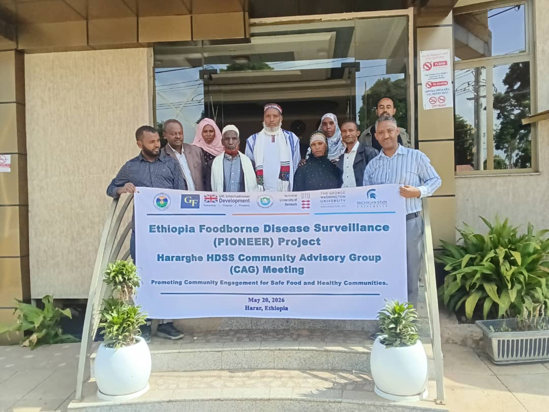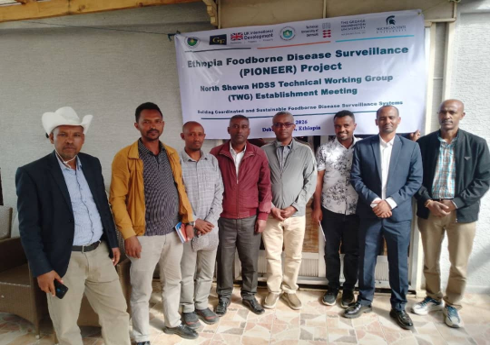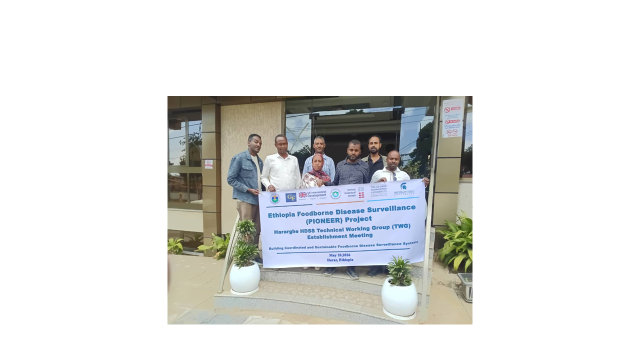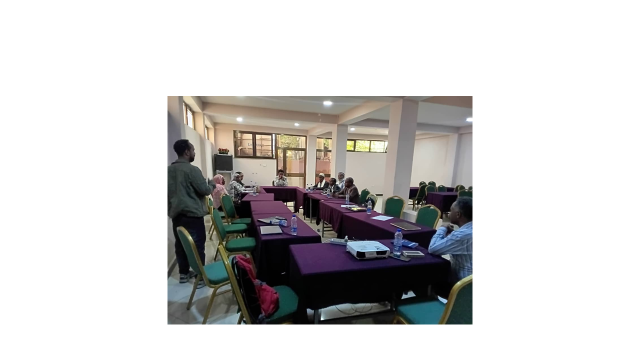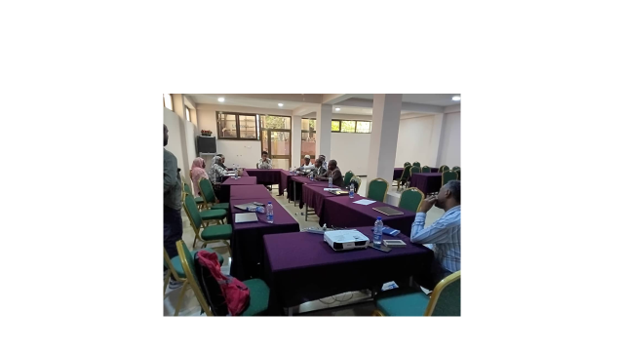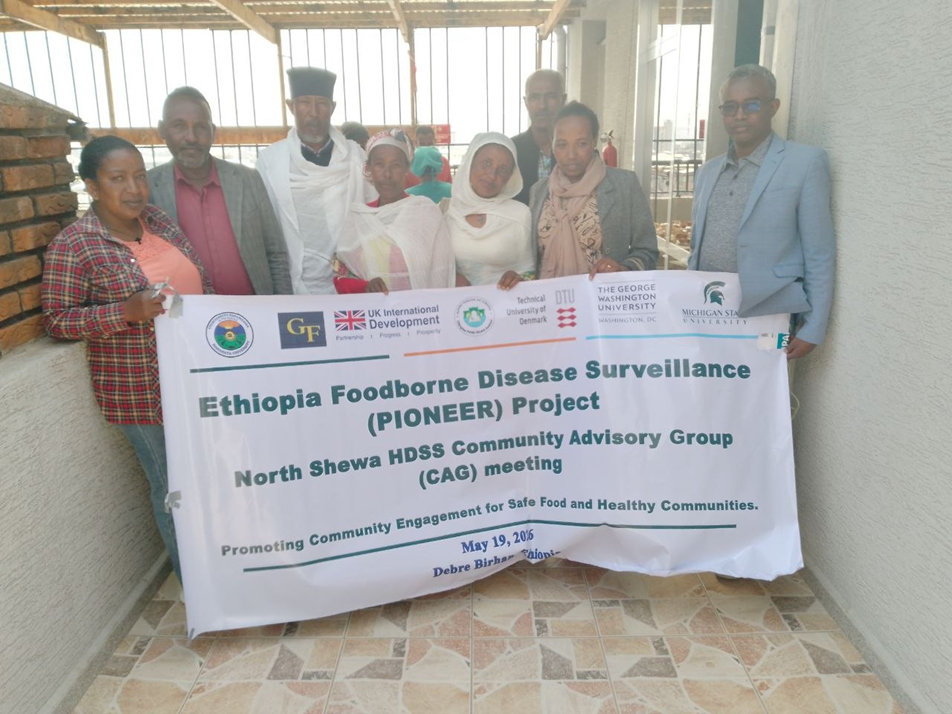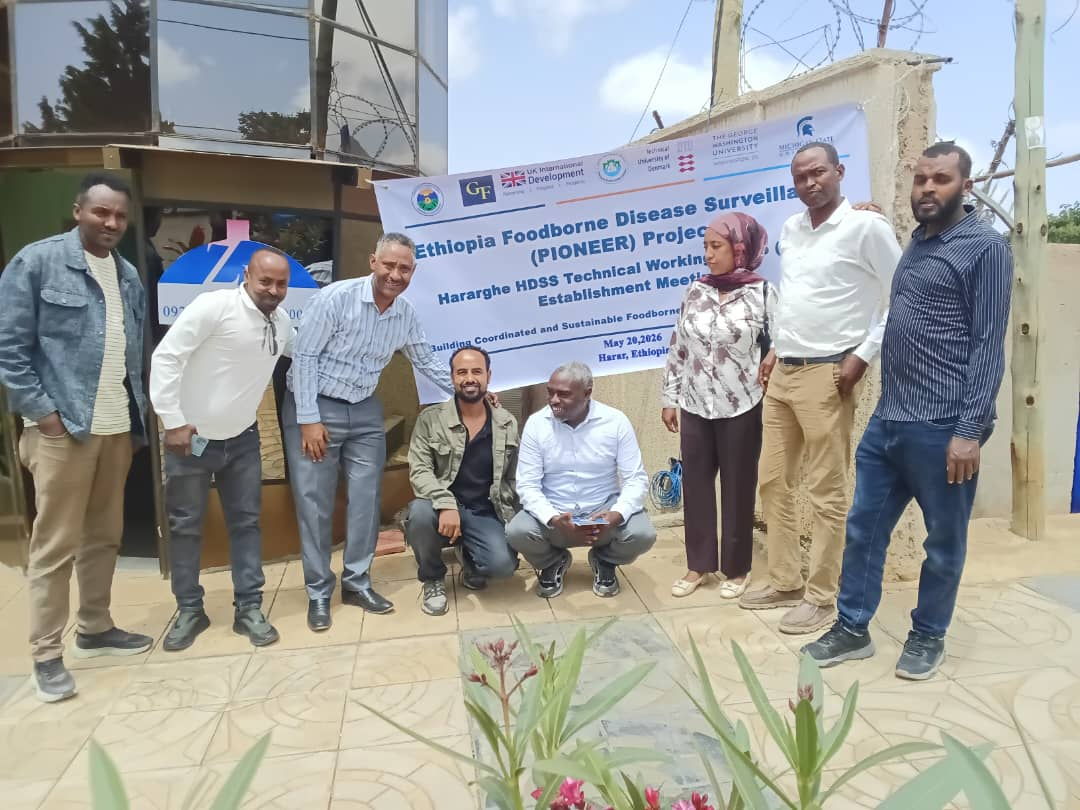
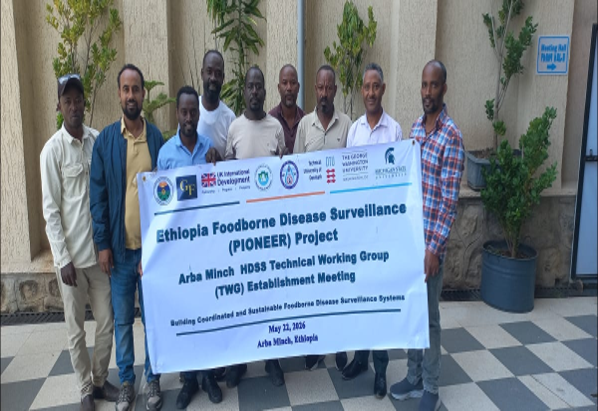

The PIONEER Project established Technical Working Groups (TWGs) and Community Advisory Groups (CAGs) across four Ethiopian HDSS sites in May 2026 to strengthen stakeholder engagement and ensure effective project implementation.
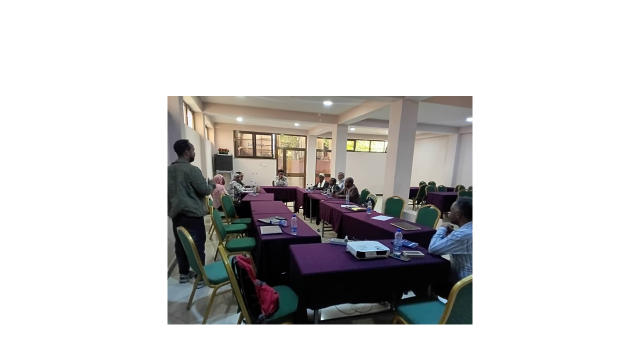
The establishment meetings brought together a broad cross-section of stakeholders, including representatives from the health sector, agriculture offices, public health emergency management teams, health facilities, HDSS sites, community, religious and women’s leaders, and health extension workers. During the meetings, participants received an overview of the PIONEER Project and reviewed the Terms of Reference (TOR) outlining the roles and responsibilities of the TWGs and CAGs.
Discussions focused on the project’s objectives, implementation approaches, and the types of data and samples that will be collected from communities and health facilities. Participants actively engaged in question-and-answer sessions, seeking clarification on project activities and their expected contributions. The project team addressed these questions and highlighted the importance of multi-sectoral collaboration and community engagement in improving foodborne disease Surveillance and food safety.
In North Shewa and Butajira, stakeholders went beyond pledges of engagement; they offered concrete logistical support, including transportation assistance and temporary storage of biological samples when required
Roles & Composition
Technical Working Groups (TWGs)
- Health Offices
- Agriculture Offices
- Public Health Emergency Management (PHEM)
- Primary Health Care Units
- HDSS Sites
- Haramaya University
- Ethiopian Public Health Institute (EPHI)
Community Advisory Groups (CAGs)
- Community leaders
- Religious leaders
- Women’s representatives
- Health extension workers
- Local government officials
- Community health volunteers
Mandate of the Groups
Participants reviewed and discussed the Terms of Reference (ToR) presented at the meetings. The groups’ mandate includes providing technical and operational support, facilitating multisector coordination, strengthening stakeholder collaboration, monitoring project progress, identifying implementation gaps, and supporting sustainable surveillance systems. The TWGs focus on technical and operational support, while the CAGs focus on community engagement and participation.
The TWGs are specifically tasked with supporting surveillance implementation at community and health facility levels, facilitating coordination among relevant sectors, reviewing progress reports, supporting data and biological sample collection activities, and helping to address operational challenges.
The CAGs are designed to ensure meaningful community engagement and participation throughout the project lifecycle. Community representatives emphasized the importance of awareness creation, community ownership, and effective communication between project implementers and local communities.
Commitments & Next Steps
Members of both groups expressed strong commitment to supporting project implementation. Community representatives pledged to facilitate community engagement and participation in data collection activities, while technical stakeholders committed to providing sectoral support and coordination.
Leadership structures were established for the Community Advisory Groups, and Technical Working Group, while leaders reaffirmed their commitment to coordinating stakeholders and maintaining close collaboration with HDSS coordinators and the PIONEER Project team
Expected Outcomes
1. Improved coordination among stakeholders across all four HDSS sites
2. Strengthened surveillance implementation through multi-sectoral support
3. Facilitation of timely reporting and evidence-based decision-making
4. Enhanced community trust and active participation in surveillance activities
5. Improved detection, monitoring, and response to foodborne diseases in Ethiopia